
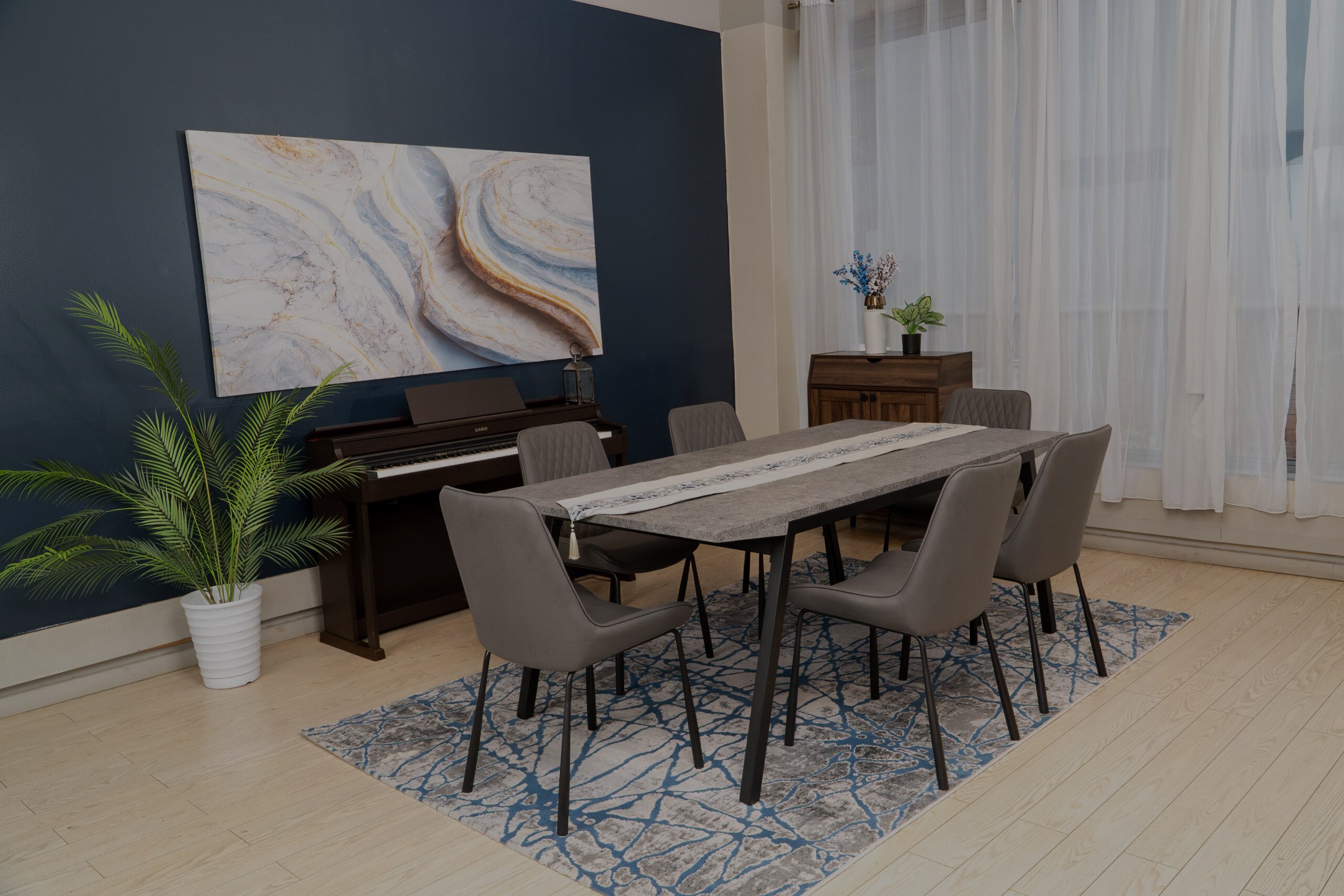
How Furniture Layout & Colour Psychology Shape Mood & Productivity

Furniture layout and colour psychology play a powerful role in shaping how a space feels, functions, and influences your mood. Whether you’re designing a home, office, Airbnb, or commercial space, the way furniture is arranged and the colours you choose directly affect comfort, productivity, and overall atmosphere.
The psychology of space goes beyond aesthetics—it influences behaviour, perception, and even decision-making. A well-designed space can enhance experiences, improve efficiency, and increase perceived value.
At Victoria Homestore, we go beyond furnishing spaces—we create environments that connect with people and elevate everyday living.
Why Space Psychology Matters in Modern Interiors
Today’s spaces are no longer just functional—they’re emotional.
A well-designed space can:
- Increase relaxation and comfort at home
- Boost productivity in work environments
- Encourage longer stays in hospitality spaces
- Influence purchasing decisions in commercial settings
In short, how a space feels determines how it performs.
1. Furniture Layout: The Flow That Defines Experience
Layout is the silent guide of any room.
It dictates:
- Movement
- Interaction
- Focus
Open Layouts → Freedom & Connection
Open spaces that have few barriers allow:
- Interaction social.
- Airiness
- Contemporary appeal
Perfect for living rooms, lounges, and collaborative offices.
Structured Layouts → Order & Focus
Lightness
Defined zones (like separate seating or work areas) create:
- Clarity
- Organization
- Purpose-driven use
Ideal for offices, waiting areas, and formal settings.
Pro Tip:
A poorly arranged room feels cramped—even with expensive furniture.
A well-arranged room feels luxurious—even with minimal pieces.
Colour Psychology: Setting the Emotional Tone
Colour is one of the most powerful psychological tools in interior design.
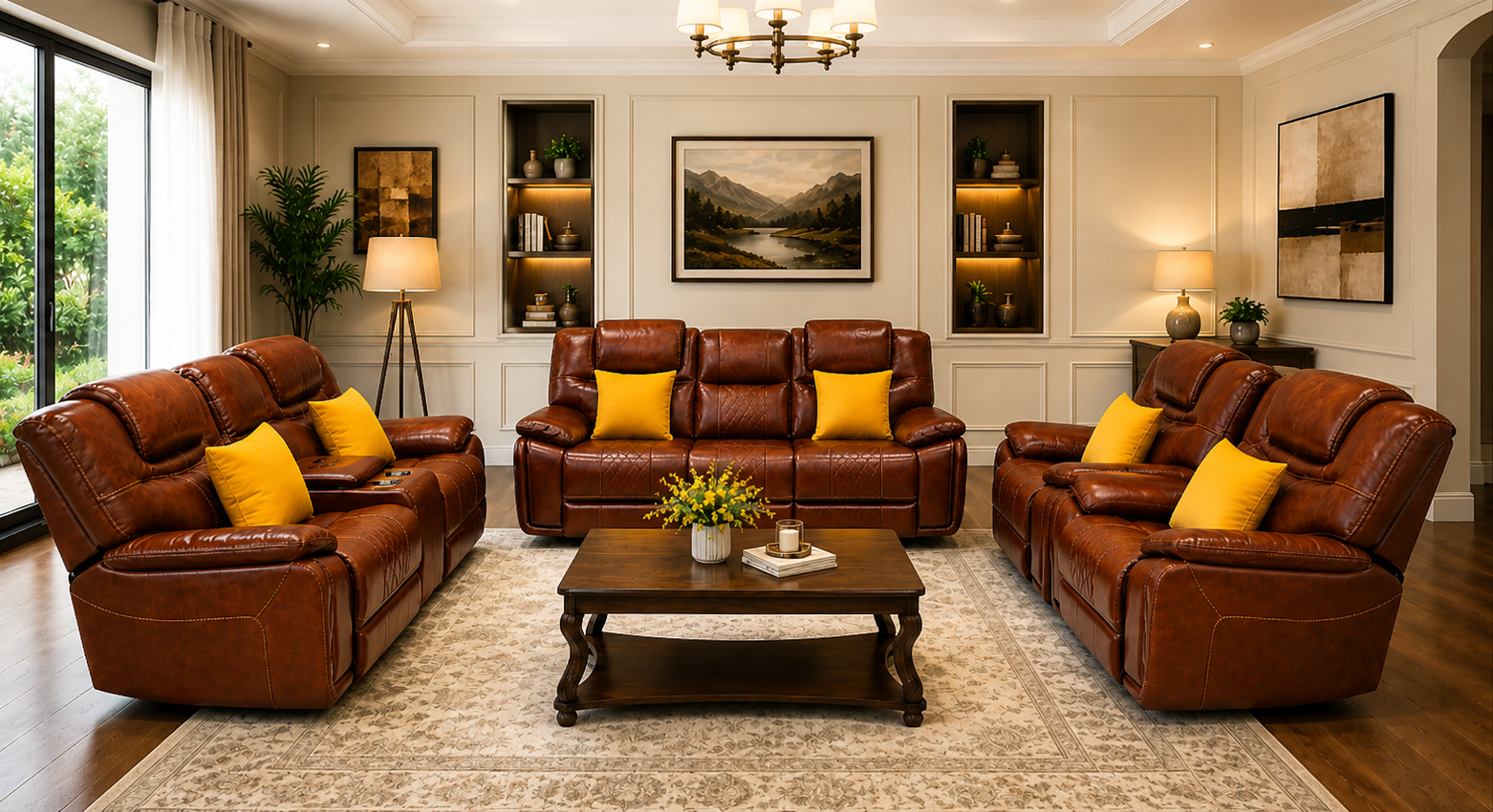
Warm Colours (Beige, Brown, Earth Tones)
- Create warmth and comfort
- Feel inviting and grounded
- Perfect for homes and hospitality spaces
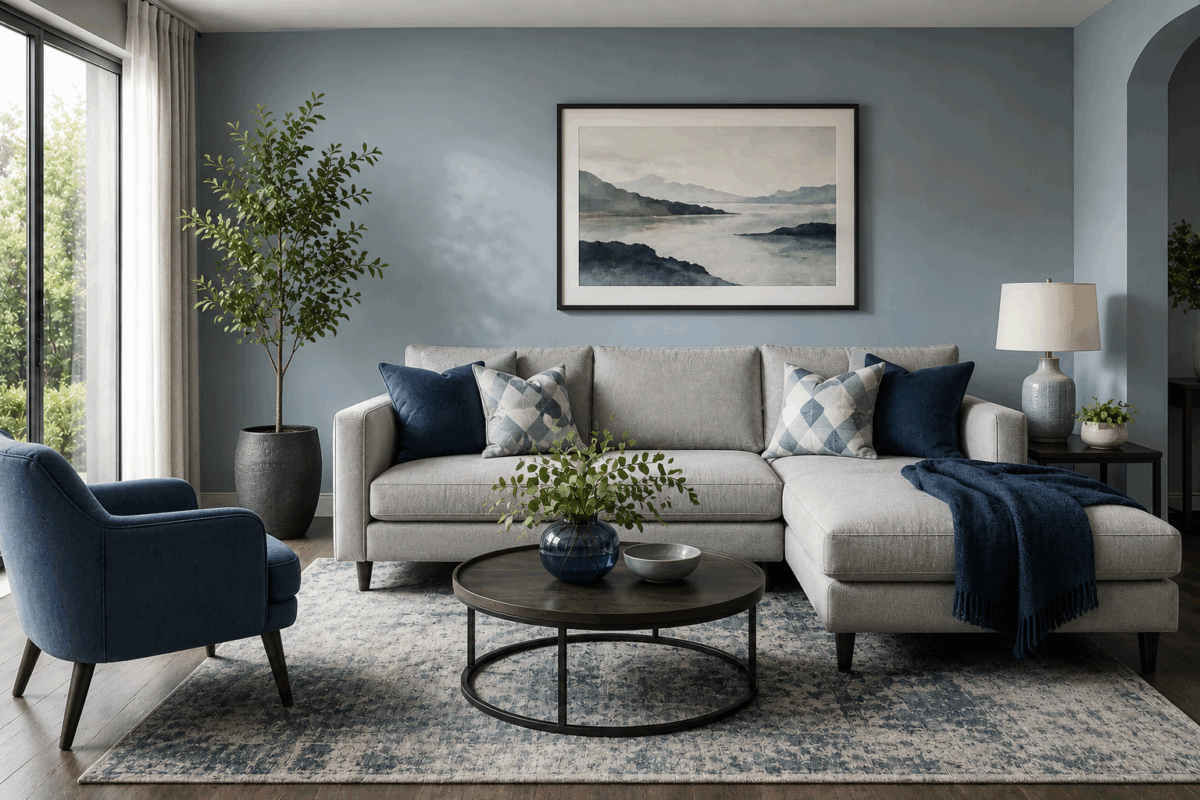
Cool Colors (Blue, Grey, Soft Greens)
Cool colours promote calm and focus.
They create a feeling of cleanliness and modernity.
This is ideal for offices and bedrooms
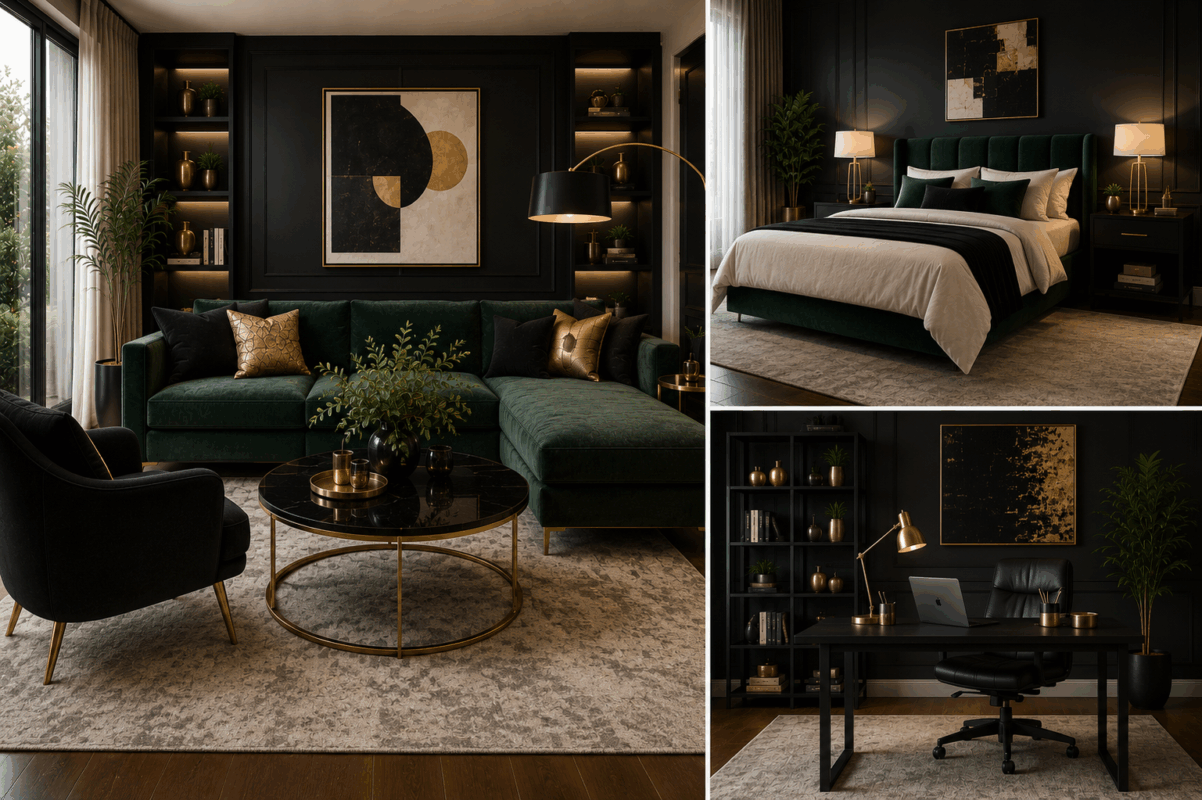
Bold Accents (Black, Gold, Deep Green)
- These colours add sophistication and luxury.
They draw attention to key areas.
And they elevate perceived value instantly
Pro Tip:
Neutral bases + bold accents = timeless, high-end aesthetic.
Furniture Selection: Comfort Meets Perception
People don’t just see furniture—they judge through it.
Your choices communicate:
- Quality
- Lifestyle
- Brand value

Plush Seating → Comfort & Relaxation
Sleek Designs → Modernity & Efficiency
Statement Pieces → Luxury & Status
The right combination builds a space that feels intentional—not random.
4. Lighting & Space Pairing: The Hidden Multiplier
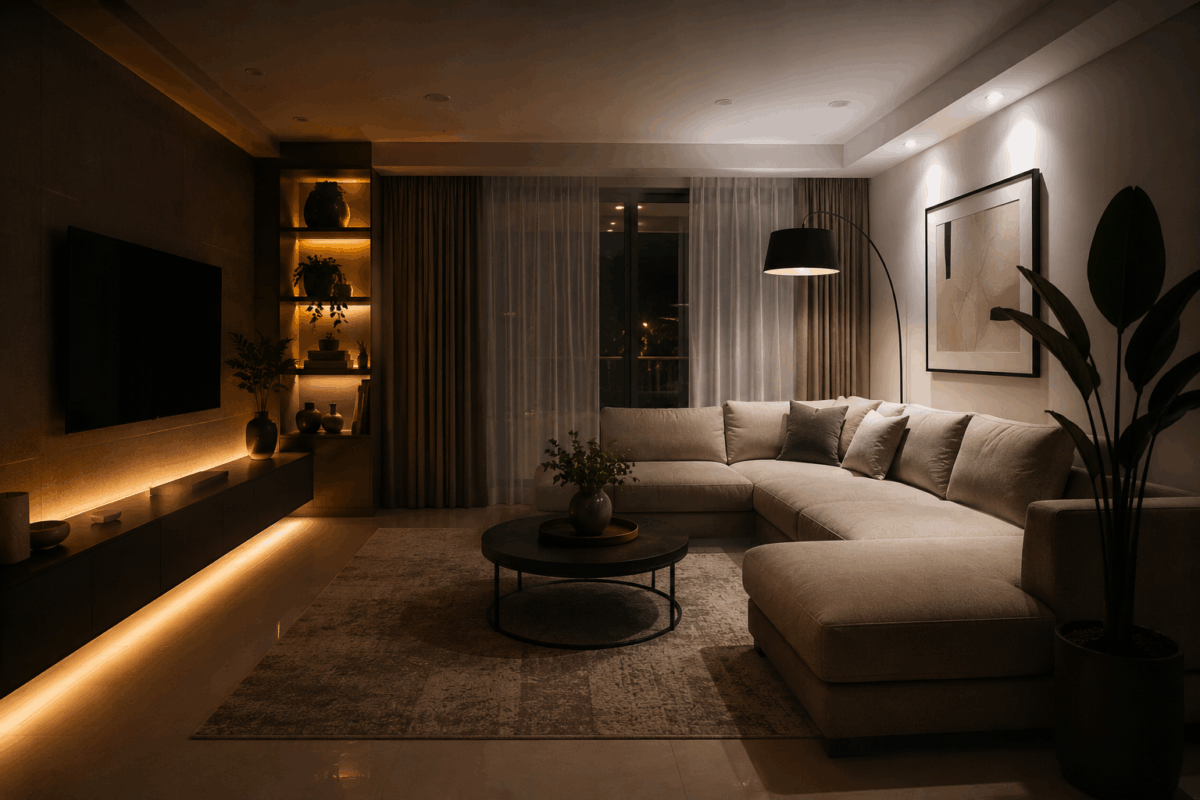
Even the best furniture loses impact under poor lighting.
- Warm lighting enhances cozy environments
- Bright white lighting boosts productivity
- Layered lighting adds depth and elegance
When paired correctly with layout and colour, lighting completes the emotional experience.
5. The Business Impact: Why This Matters for ROI
For businesses, space design is not decoration—it’s strategy.
Well-furnished spaces:
- Attract more clients
- Increase retention and dwell time
- Build brand trust instantly
- Justify premium pricing
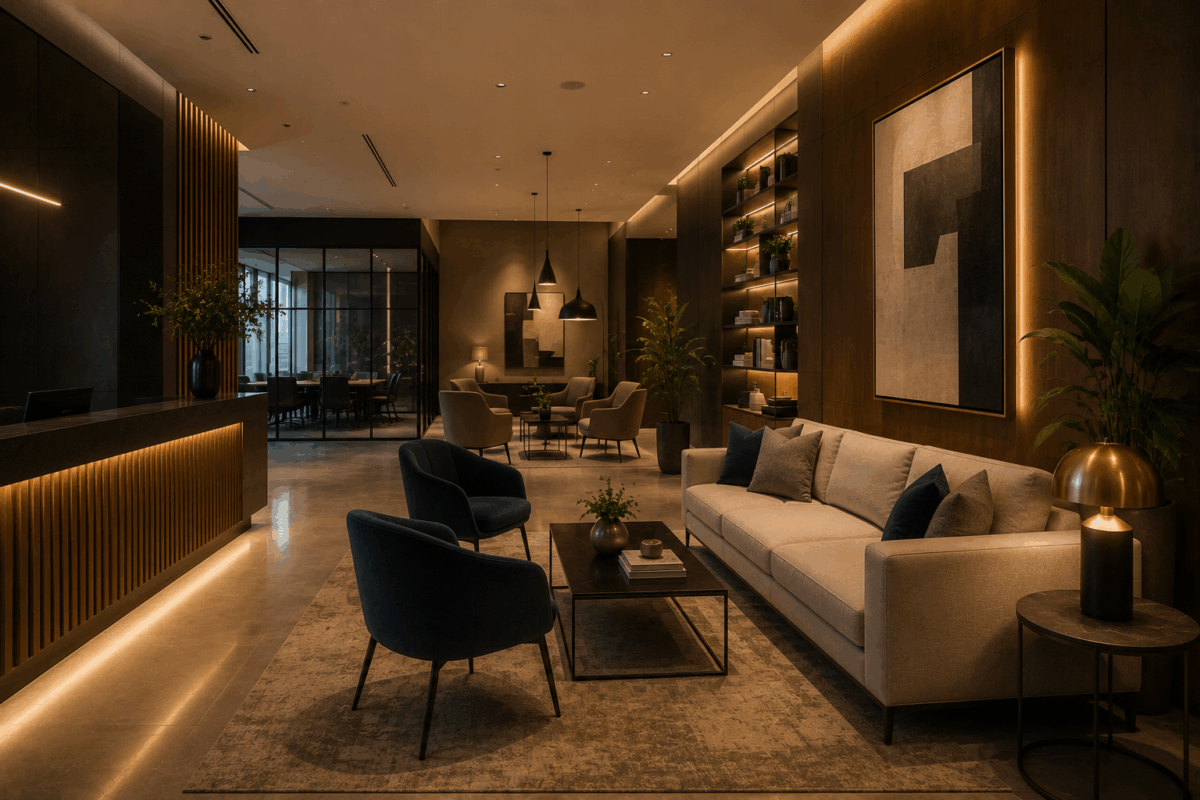
In real estate and Airbnb setups, better interiors can directly increase perceived value and occupancy rates.
Elevate Your Space with Victoria Homestore
From statement sofas to finishing touches like carpets and décor, we help you create environments that:
- Feel premium
- Function effortlessly
- Leave lasting impressions
Because in the end, great spaces don’t just look good—
They influence, convert, and elevate.
Ready to Transform Your Space?
Whether you’re furnishing a home, office, or commercial project, the right approach makes all the difference.
Visit Victoria Homestore at any of our branches: Westlands, Riara Road, Kisumu, Mombasa Road, Eldoret, or shop online today and create a space that works for you.