
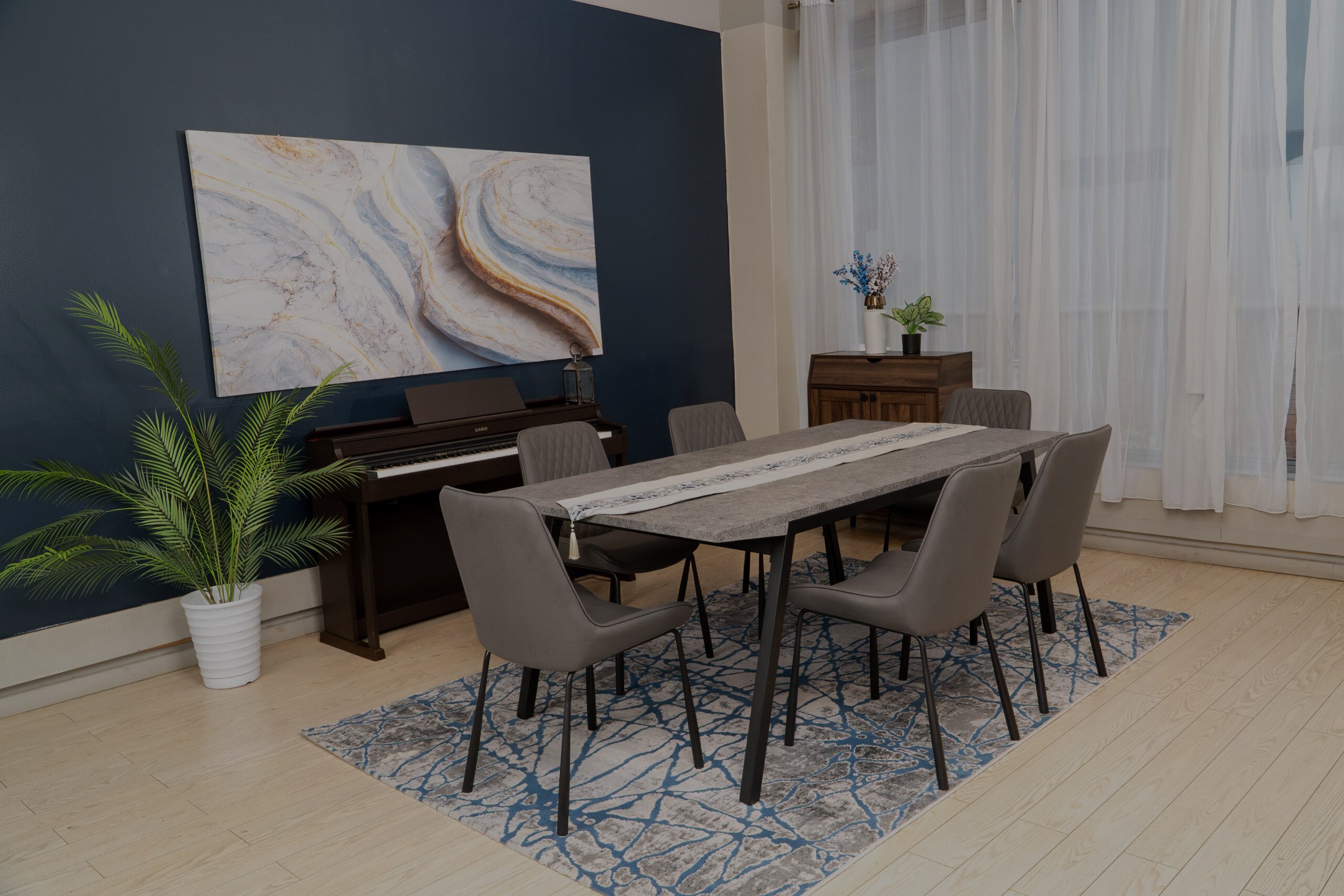
Furniture Solutions for Property Developers in Kenya

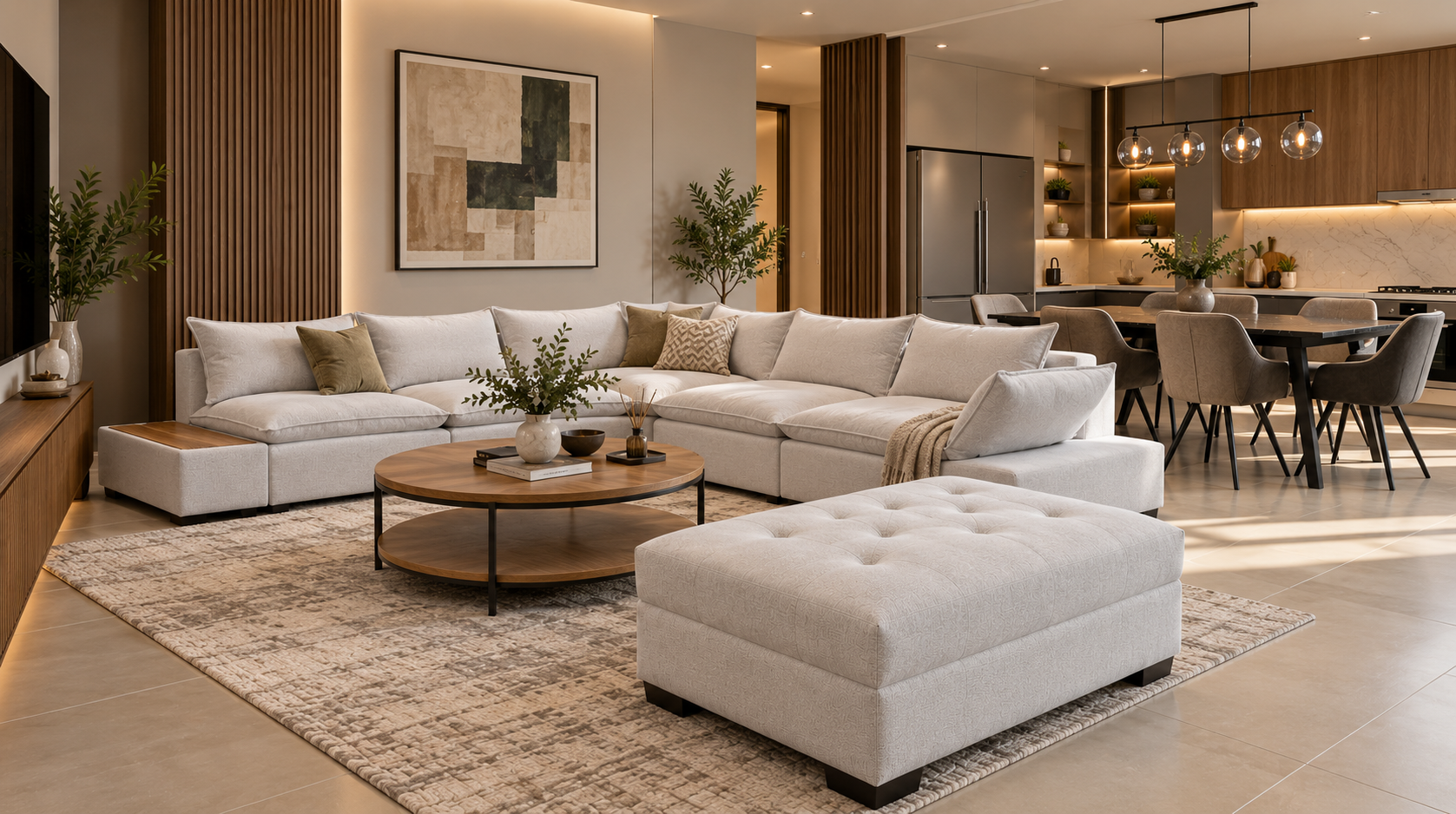
Choosing furniture solutions for property developers in Kenya can also simplify procurement when multiple rooms, unit types or development phases need to be furnished.
A show house is more than a finished property. It is an opportunity for a potential buyer to experience what life inside the development could actually feel like.
An empty room shows dimensions. A thoughtfully furnished room shows possibilities.
For property developers, the right furniture can help visitors understand the space, visualise their lifestyle and develop an emotional connection with the property. But furnishing a show house effectively is not simply about filling rooms with attractive furniture. It requires careful consideration of the target buyer, room proportions, functionality, design and the overall positioning of the development.
Furniture Procurement Guide for Property Developers:
1. Start With the Buyer, Not the Furniture
Before selecting a sofa, bed or dining table, understand who the development is designed for.
Is the property targeting young professionals, growing families, first-time homeowners, investors, or luxury buyers?
The answer should influence the furniture selection, colour palette, layouts, and overall atmosphere of the show house.
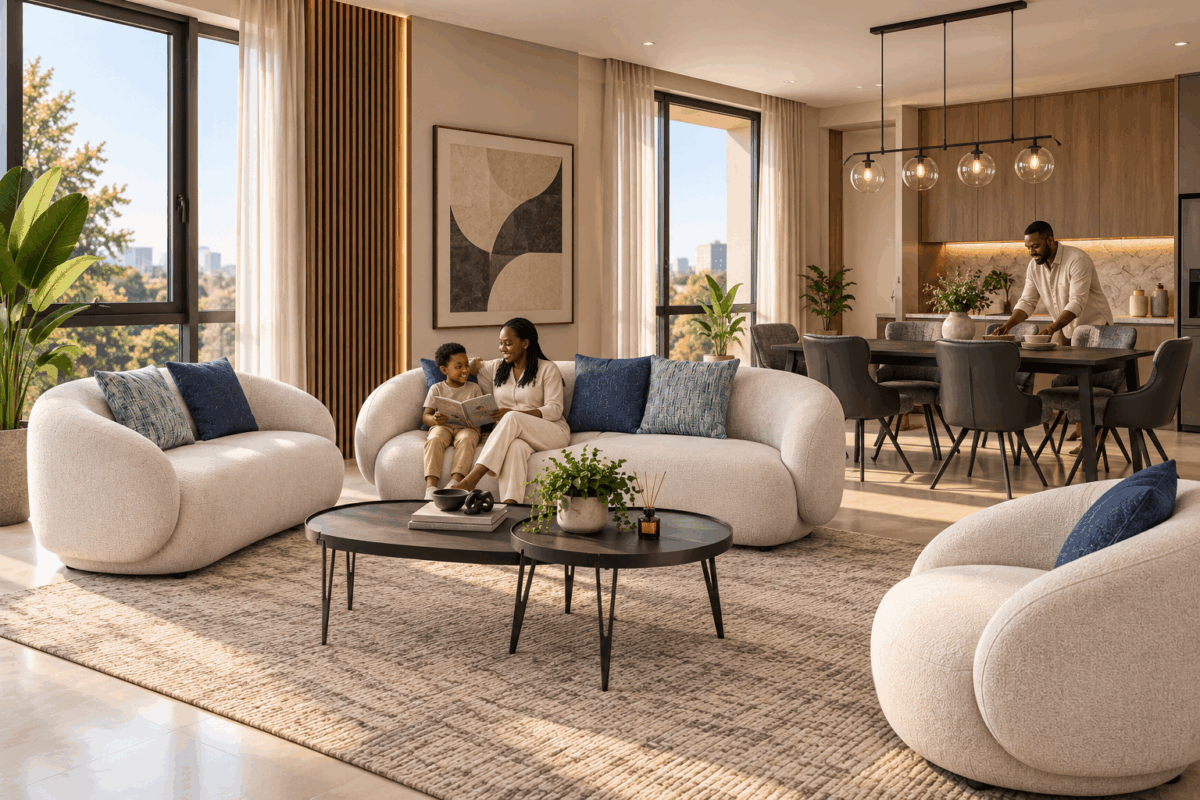
For example, a contemporary apartment development aimed at young professionals may benefit from clean-lined furniture, a practical home-office setup, and a modern living area.
A family-orientated development may require a warmer, more comfortable approach with furniture that demonstrates how the home can accommodate everyday family life.
The furniture should reflect the lifestyle the developer is selling.
2. Choose Furniture That Shows the Potential of the Space
One of the biggest mistakes when furnishing a show house is choosing furniture based purely on appearance.
Furniture should demonstrate how the rooms can actually be used.
A living room should allow a prospective buyer to imagine relaxing, entertaining friends, or spending time with family. A bedroom should feel comfortable and practical rather than simply looking attractive in photographs.
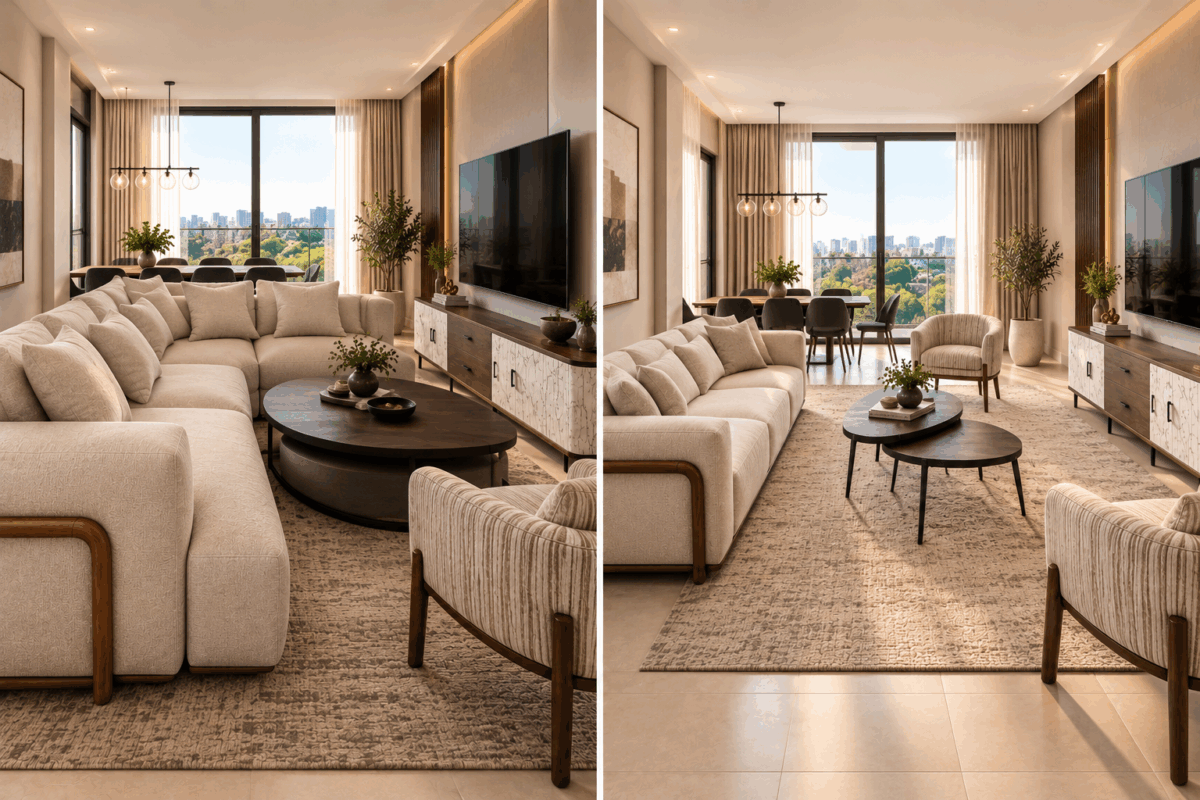
This is particularly important in apartments and compact residential developments, where buyers may want to understand exactly how their furniture could fit into the available space.
The goal is to make every room feel useful, achievable, and desirable.
3. Get the Furniture Scale Right
A large, luxurious sofa can look impressive in a spacious showroom but completely overwhelm a smaller apartment.
When developers furnish show houses, furniture proportions should be considered alongside:
- The overall layout
- Room dimensions
- Door and corridor access
- Walking space
- Window placement
- Ceiling height
- Built-in storage
- Architectural features
The objective is not to put as much furniture into a room as possible.
The goal is to show how much the room can comfortably accommodate while preserving a sense of space.
Well-proportioned furniture can make a room easier to understand and help buyers appreciate the property’s actual dimensions.
4. Create a Lifestyle, Not Just a Display
A successful show house should tell a story.
Instead of placing individual furniture pieces around a room, create complete lifestyle moments that feel natural.
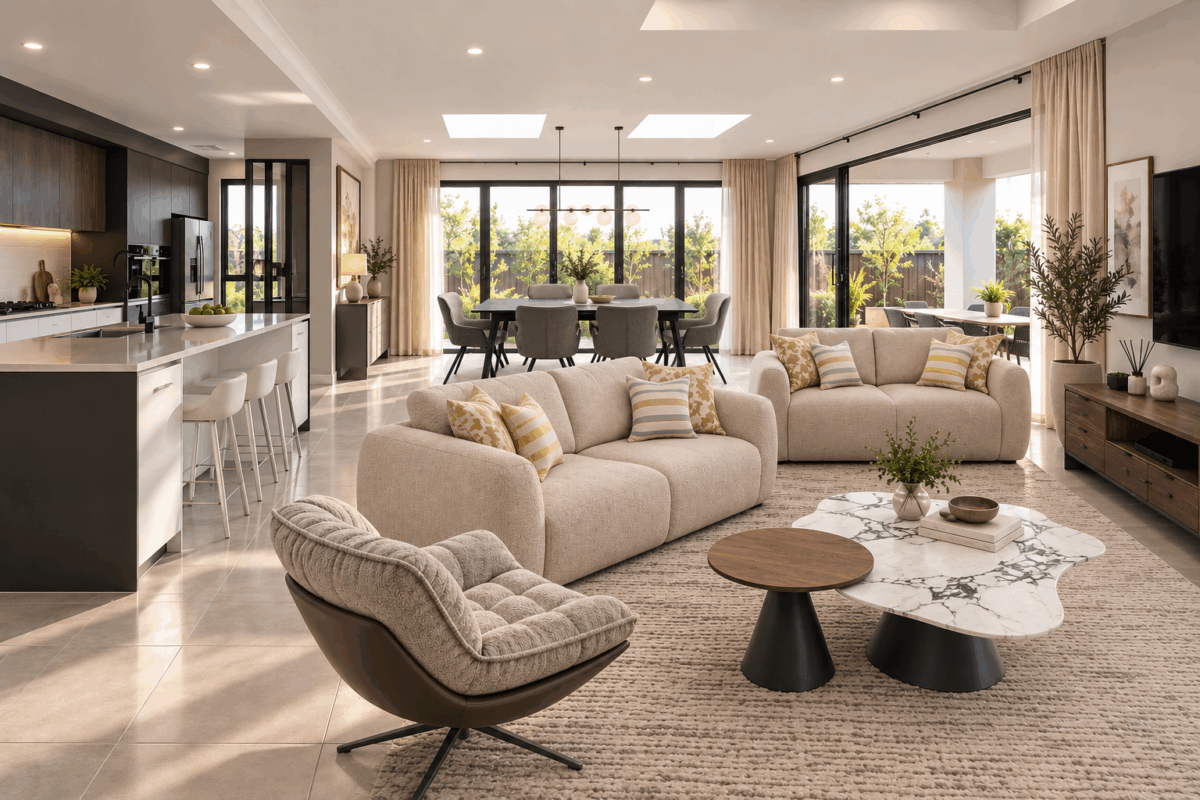
For example:
Living room:
A sofa, coffee table, TV stand and accent chair can demonstrate how the space works for both relaxation and entertaining.
Dining area:
A well-proportioned dining table and chairs can show how the kitchen and living areas connect.
Bedroom:
A bed, bedside tables and appropriate storage can demonstrate how the room functions as a comfortable private space.
Home office:
A compact desk and comfortable chair can show buyers that an unused corner could become a productive workspace.
These arrangements help prospective buyers move beyond looking at a property and start imagining themselves living in it.
5. Avoid Under-Furnishing the Property
An empty or sparsely furnished show house can make it difficult for visitors to understand the potential of each room.
Buyers may wonder:
- Will my sofa fit here?
- Where would I put the TV?
- Can I fit a dining table?
- Would a king-size bed work in this bedroom?
- What could I do with this empty corner?
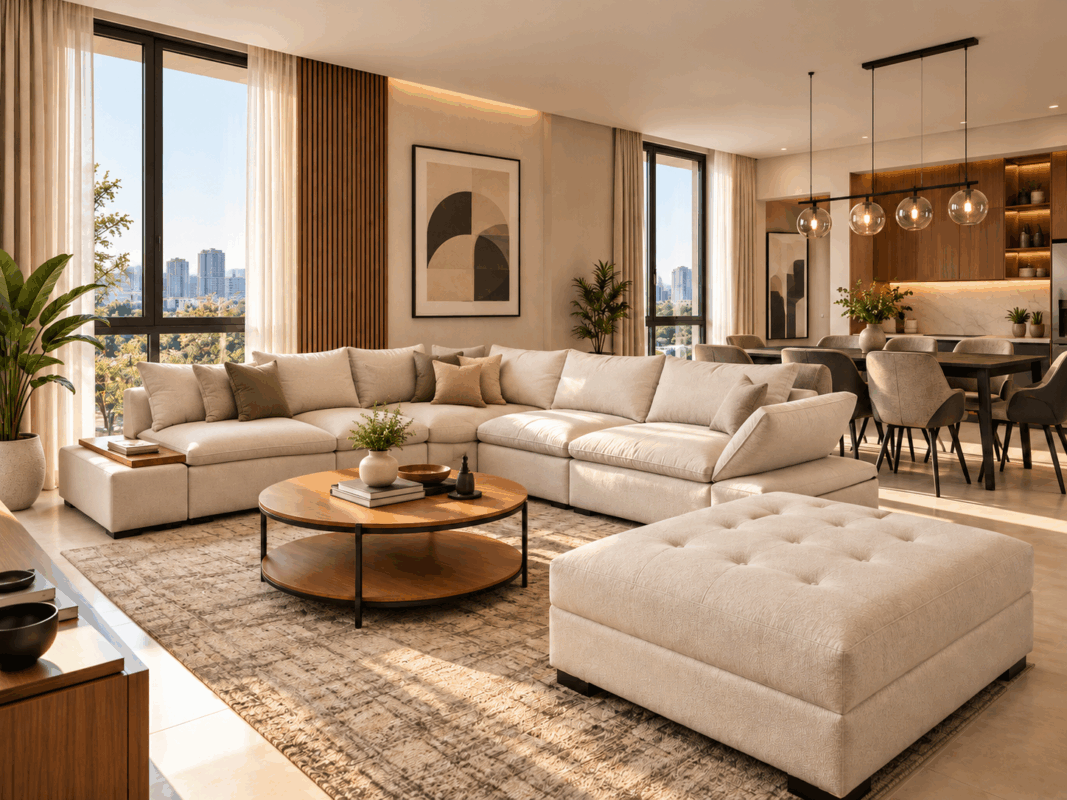
Furniture provides a visual reference.
It gives buyers a better understanding of scale and demonstrates practical ways to use the available space.
This is particularly valuable when marketing properties with open-plan layouts or rooms where dimensions can be difficult to judge when empty.
6. Don’t Over-Furnish Either
The opposite approach can create another problem.
Too much furniture can make an otherwise spacious property feel cramped.
A show house should demonstrate possibilities without making buyers feel that every square metre needs to be occupied.
Each piece should have a clear purpose.
If a particular chair, table or decorative element does not contribute to the room’s functionality, visual balance or story, it may not need to be there.
Good show-house furnishing is about balance: enough furniture to demonstrate the lifestyle, but enough space for buyers to appreciate the property itself.
7. Use Furniture to Highlight the Property’s Best Features
Furniture can do more than fill a room. It can help direct attention.
An accent chair positioned near a large window can highlight natural light and a view.
A dining table can reinforce the connection between the kitchen and living area.
A strategically positioned sofa can demonstrate the benefits of an open-plan layout.
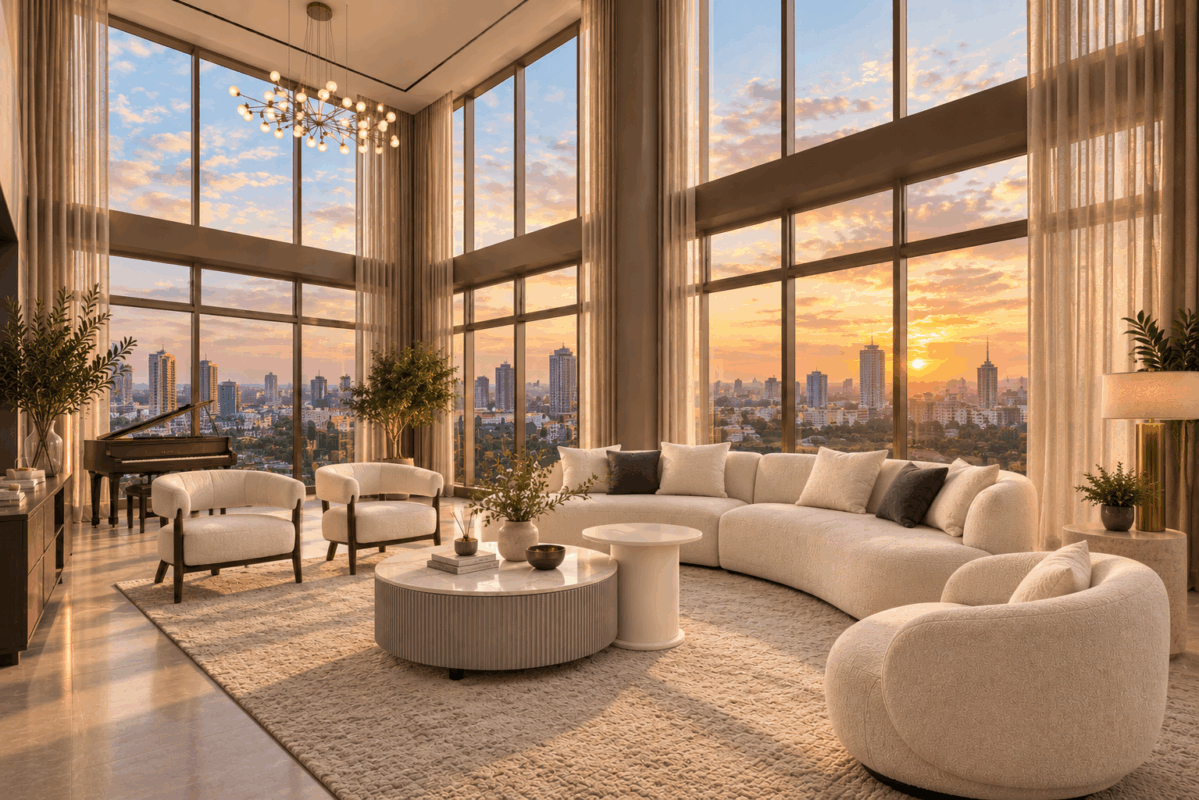
Developers should therefore consider furniture as part of the property’s visual merchandising strategy.
The furniture should support the architecture rather than compete with it.
8. Match the Furniture to the Property’s Price Point
The furniture inside a show house contributes to the overall perception of the development.
A premium property furnished with visibly inexpensive or poorly matched furniture can create a disconnect between the product and the experience.
At the same time, furnishing a mid-market development with pieces that are completely unrealistic for the intended buyer can make the property feel less relatable.
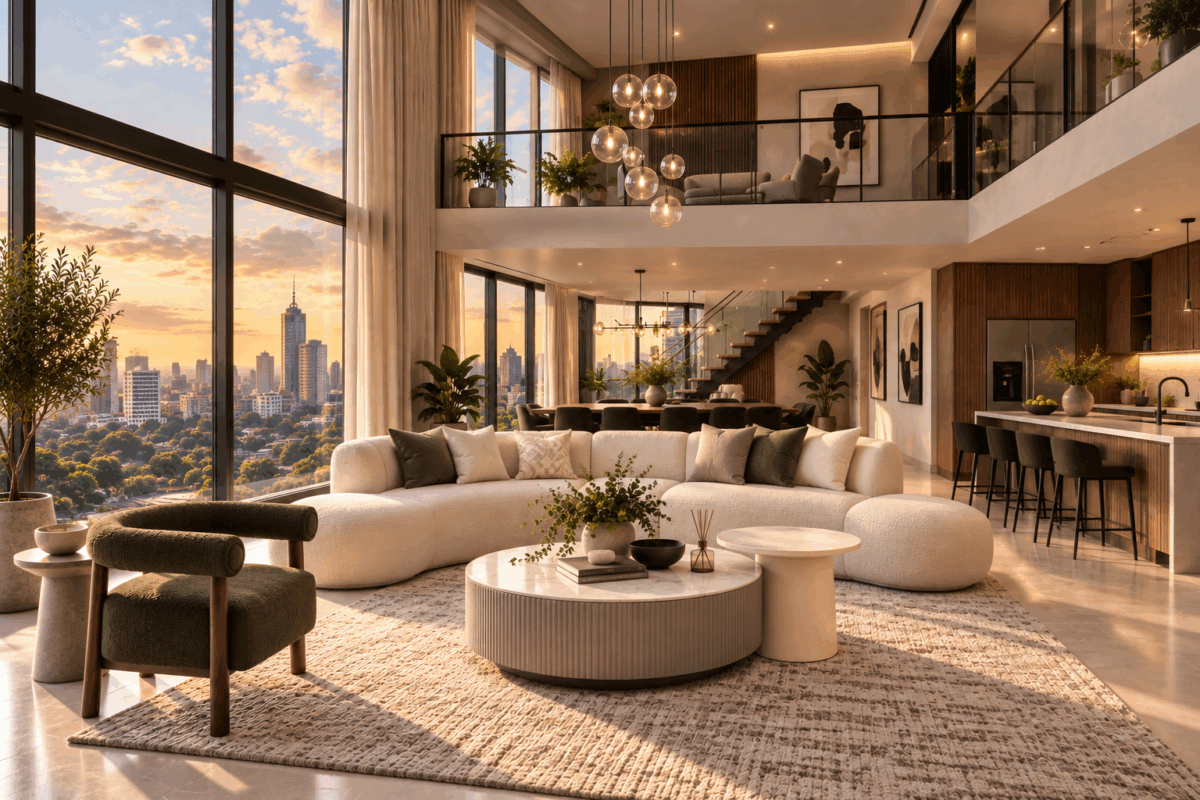
The objective is to create a consistent perception of value.
Furniture should complement the property’s architecture, finishes, location and target market.
When everything feels intentional, the buyer receives a clearer picture of what the development represents.
9. Prioritise Durable and Practical Furniture
Show houses can receive a significant number of visitors during a sales campaign.
Furniture therefore needs to withstand regular use while continuing to look presentable.
Developers should consider:
- Material durability
- Ease of cleaning
- Construction quality
- Maintenance requirements
- Product availability
- Replacement options
- Long-term usability
This becomes even more important when furniture is being used across multiple developments or when the developer intends to reuse selected pieces for future show houses.
Choosing furniture based on both appearance and practicality can make the investment more valuable over time.
10. Think Beyond a Single Show House
For developers managing multiple projects, furniture procurement can become part of a broader strategy.
Instead of treating every show house as an isolated project, developers can develop consistent furniture selections for different property types and unit sizes.
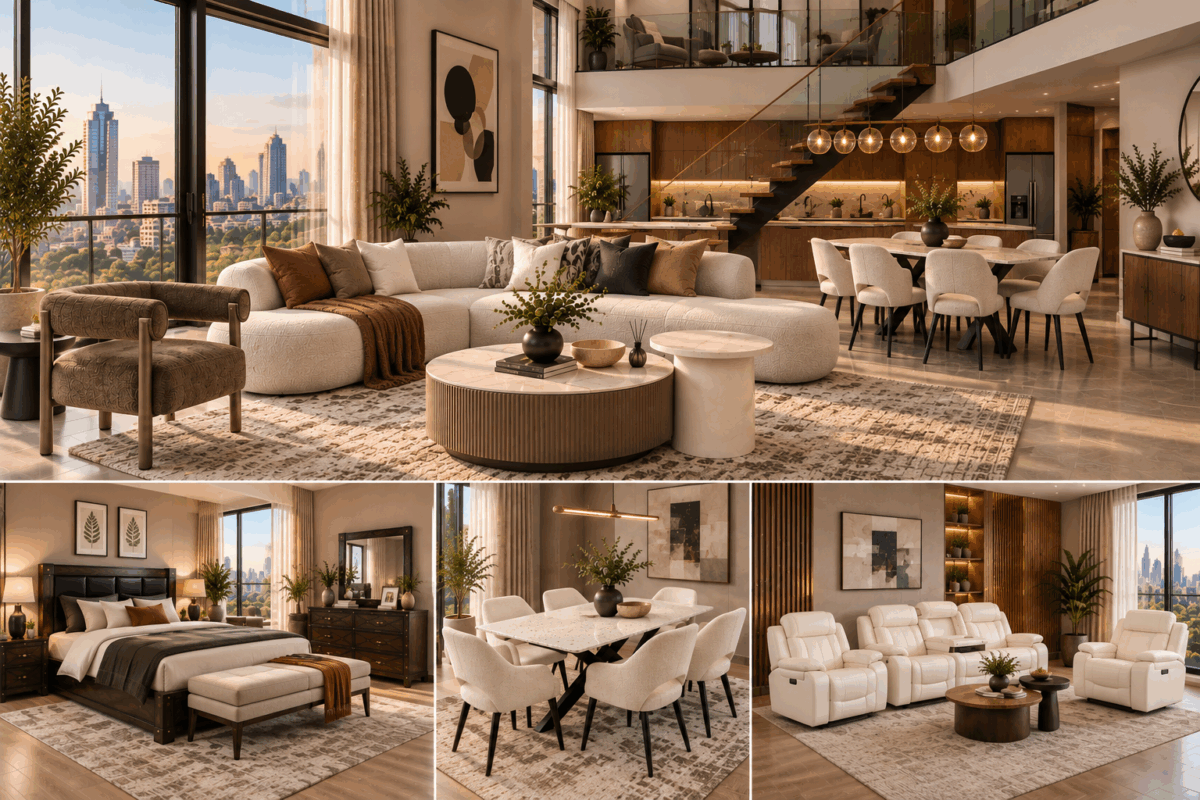
Furniture solutions can potentially be used across:
- Apartment show houses
- Gated-community developments
- Serviced apartments
- Rental developments
- Property staging
- Marketing suites
- Multiple unit types
Working with a furniture supplier that can provide multiple categories can also simplify procurement and coordination.
Rather than sourcing a sofa from one supplier, dining furniture from another and bedroom furniture somewhere else, developers can streamline the process by consolidating more of their requirements.
11. Make the Furniture Part of the Sales Experience
Ultimately, the purpose of a show house is not simply to create attractive photographs.
It is to help the buyer understand the property.
The right furniture can answer questions before a salesperson needs to.
Where would the TV go?
Can a six-seater dining table fit here?
Would a king-size bed work in this bedroom?
Is there enough space for an accent chair?
How could I furnish this living room?
When buyers can answer these questions by experiencing the space for themselves, the property becomes easier to visualise as their own.
That emotional connection can make the viewing experience more meaningful.
The Right Furniture Can Help Buyers See the Possibility
A well-furnished show house can turn an empty property into a lifestyle buyers can understand and imagine themselves living in.
For developers, the objective is not simply to make the property look beautiful. Furniture should reinforce the property’s positioning, demonstrate functionality, communicate value and help prospective buyers visualise how they could use the space.
The right furniture does not sell a property by itself. But it can help buyers see the property differently.
Furnishing Your Next Show House?
For developers managing multiple projects, furniture solutions for property developers in Kenya can provide a more coordinated approach to furnishing and procurement.
Victoria Homestore provides furniture solutions across living, dining, bedroom, and occasional furniture categories, helping businesses and property professionals create functional and visually appealing spaces.
Speak to the Victoria Homestore team about furnishing your next property development or show house.
Contact us
Phone/WhatsApp us: +254 703 707 707
Email Us: B2Bsales@victoriahomestore.co.ke
LinkedIn: Victoria Homestore Kenya